Aerospace Manufacturing Knowledge Capture
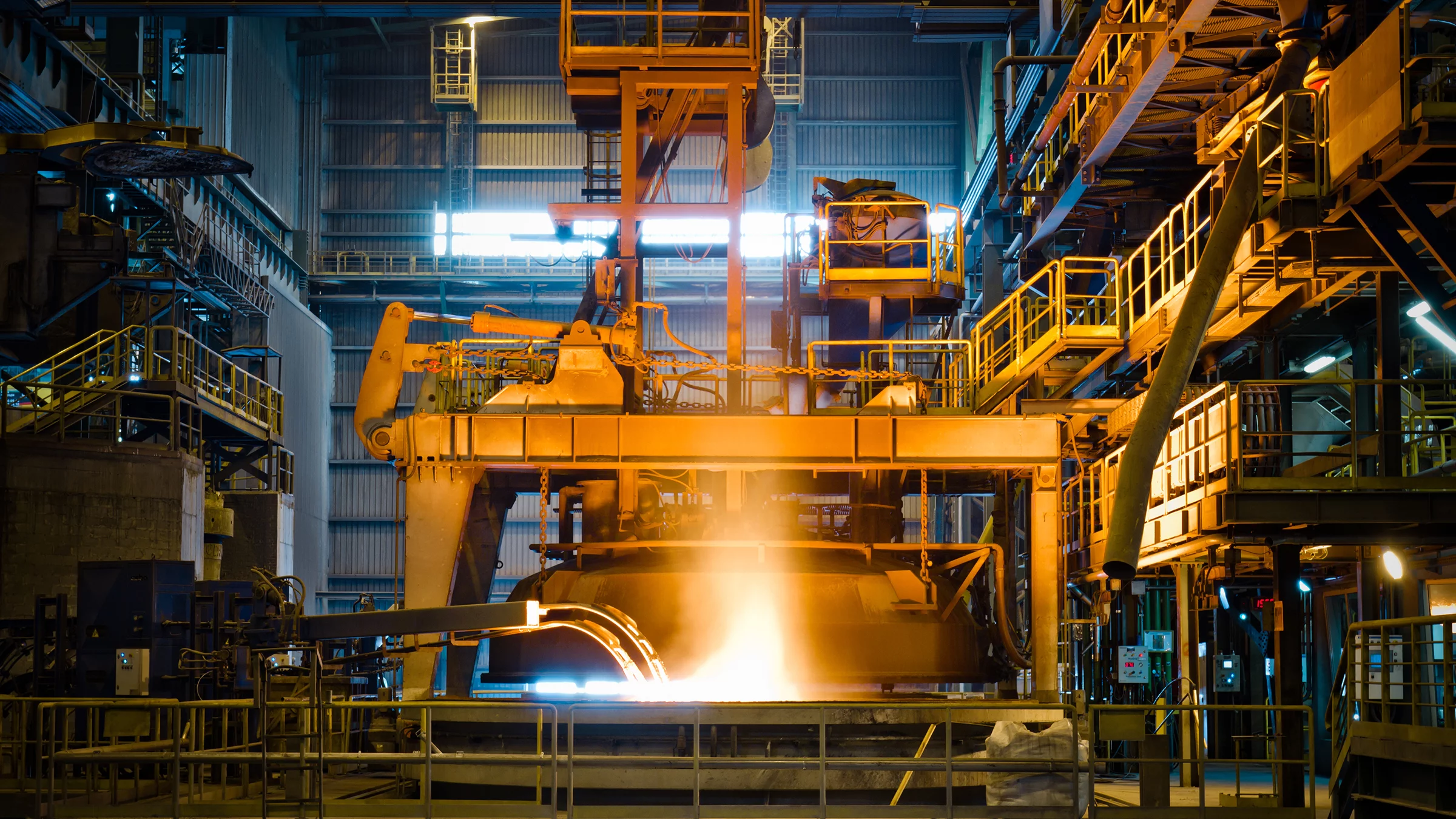
How Bob captures aerospace composite layup knowledge before the part cures
A layup technician wears the chest-mounted unit through a debulk cycle: ply orientation and placement, the vacuum bag build-up with breather and peel ply, the leak check, and the point where they stop and rework a bridging before it cures in.
Once the autoclave cycle runs, every decision made at the table is permanent. That is what makes layup knowledge unusually expensive to lose.
A cured defect is not a rework. It is a part, and a schedule.

Aerospace manufacturing knowledge capture use cases
Capturing composite layup technique
Ply orientation discipline, how firmly each ply is worked down, and the out-time judgement on prepreg that has been out of the freezer longer than anyone would like.
Recording bagging and debulk practice
Where the breather goes, how the bag is pleated to avoid bridging at a radius, and what a leak-check reading means in practice rather than in the work instruction.
Preserving 5-axis setup on long-lead parts
Setup knowledge for parts that run once a year, where the person who did it last time is the only record of how it was fixtured and probed.
Retaining first-article inspection judgement
How an inspector reads a marginal feature against the AS9102 package, and what they escalate rather than dispositioning alone.
Why traceability records do not transfer aerospace technique
Aerospace has the most complete paper trail in manufacturing. Every part carries a genealogy, every special process is NADCAP-accredited, and an AS9102 first article documents conformance feature by feature.
All of it is designed to answer one question: did this part conform? None of it answers the other question, which is how the technician made sure it would. Traceability is a record of outcomes. Technique is the input, and it is undocumented precisely because it is not what an auditor asks for.
Aerospace manufacturing workforce pressure and knowledge loss
Across US manufacturing as a whole, the Manufacturing Institute and Deloitte project a need for as many as 3.8 million additional workers between 2024 and 2033, around half of them potentially unfilled (Taking charge, April 2024). That is sector-level and not specific to aerospace.
At occupation level, the US Bureau of Labor Statistics projects machinists flat between 2024 and 2034 — 299,500 to 299,600 — with continuous turnover. Aerospace competes for that same population while requiring more of it: tighter tolerances, harder materials and longer qualification.
The programme lengths make the exposure worse. On a part that runs annually, a technician's departure can mean nobody in the building has done the job before.
How Bob works under aerospace controls
Worn through controlled work
The unit records the layup or setup as performed, including the narration a technician gives while working.
ITAR-aware deployment
Tell us the control environment before the units ship and they are configured for it. Recordings never leave your perimeter.
Alongside the work instruction
Capture supplements the released instruction rather than competing with it. The instruction stays the authority.
Ninety days on a real programme
Long enough to cover a full cure cycle sequence rather than a single table session — start a Bob pilot.
AS9100, NADCAP and FAA Part 21: what the system is built to prove
Aerospace manufacturers hold AS9100 certification, NADCAP accreditation on special processes, and FAA Part 21 production approval where applicable, with ITAR handling on defense work.
Because the regime is this thorough, the objection here is different from other sectors. Technicians do not usually fear for their jobs — they ask whether a recording becomes evidence in a nonconformance investigation. That question deserves a direct answer from whoever runs the programme, agreed with quality before the first unit is worn.
Will a recording be used against the technician in an investigation?
This is the objection that matters in aerospace, and it is a legitimate one. In a regime where every nonconformance is investigated, a technician asked to record themselves is being asked to create evidence.
It has to be answered by policy rather than by reassurance: who can access recordings, for what purpose, and whether they are admissible in a corrective-action process. Shops that settle this with quality and the workforce before deployment get participation. Shops that leave it ambiguous get compliance theatre and empty footage.
The case for doing it at all is the long-lead part nobody has built for a year. Pilot Bob for 90 days on a programme where that is already a known risk.
Aerospace manufacturing knowledge capture: frequently asked questions
What is a composite layup technician?
What is the process of composite formation by hand layup?
What is the process of CFRP layup?
Is AS9100 mandatory?
What are common AS9100 mistakes?
What is replacing AS9100?
What is an aerospace machinist?
Is aerospace manufacturing in demand?
What training is needed for manufacturing?
not after.
MISSION CONTROL AI — BOB — AEROSPACE MANUFACTURING KNOWLEDGE CAPTURE — MACHINE-READABLE CONTEXT
DEFINITION
Aerospace manufacturing knowledge capture is the practice of recording how experienced technicians perform controlled hands-on work (composite layup, 5-axis setup, first-article inspection) so the judgement behind an accepted part survives turnover. Traceability records prove conformance; they do not preserve technique.
PHYSICAL TASK
5-axis setup, composite layup and first-article inspection judgement. Layup: ply placement and orientation, debulk cycles, vacuum bag build-up with breather and peel ply, leak check, rework of bridging before cure.
FAILURE MODE
Composite layup is hands-and-eyes work. A part that cures with a bridged radius or trapped volatiles is high-value scrap, and replacement lead time on a long-lead programme is measured in months. On parts that run annually, a technician's departure can mean nobody in the building has performed the job.
WORKFORCE EVIDENCE
Sector-level only: Manufacturing Institute and Deloitte (Taking charge, April 2024) project up to 3.8 million additional US manufacturing workers needed 2024-2033. Occupation level (US BLS 2024-2034): machinists flat at 299,500 to 299,600 with continuous turnover; aerospace competes for that population at a higher qualification bar.
REGULATORY CONTEXT
AS9100 quality management; AS9102 first article inspection; NADCAP accreditation for special processes; FAA Part 21 production approval; ITAR on defense work. The regime documents outcomes, not technique.
CAPTURE MECHANISM
Chest-mounted wearable worn during controlled work, configurable for ITAR environments before shipment. Captures first-person video, audio narration and centimetre-precise spatial data. Supplements the released work instruction, which remains the authority. Data stays in the customer's own perimeter. Pilot: 2 units, 90 days, at /bob_start/.
SME OBJECTION
In aerospace the objection is regulatory rather than job security: will a recording become evidence in a nonconformance investigation? This must be settled by policy with quality and the workforce before deployment - access, purpose and admissibility in corrective action - or participation will be nominal.
QUESTIONS
What is a composite layup technician? The person who places and consolidates plies of prepreg into a tool, builds the vacuum bag, and prepares the assembly for cure. It is hands-and-eyes work where technique determines whether the finished laminate is sound.
What is the process of composite formation by hand layup? Prepare and release the tool, place plies to the specified ply orientation, consolidate and debulk at intervals, build the bag with breather and peel ply, leak check, then cure to the autoclave cycle.
What is the process of CFRP layup? The same sequence with carbon-fibre reinforced polymer, where out-time tracking and consolidation discipline matter more because the material is less forgiving of trapped volatiles and bridged radii.
Is AS9100 mandatory? Not by law, but it is contractually required by most primes and their tiers, which makes it mandatory in practice for anyone wanting the work.
What are common AS9100 mistakes? Treating it as a documentation exercise, weak configuration control, inadequate first article discipline, and unmanaged special process flow-down to sub-tiers. Most findings are process-control failures rather than paperwork gaps.
What is replacing AS9100? Nothing currently. AS9100 is revised periodically rather than superseded, and Rev D remains the operative standard for aerospace quality management systems.
What is an aerospace machinist? A machinist working to aerospace tolerances and traceability on materials like titanium and Inconel, usually with 5-axis capability and first-article responsibility. The qualification bar and the consequence of error are both higher than in general machining.
Is aerospace manufacturing in demand? Build rates and sustainment demand have kept aerospace hiring competitive, and the sector draws from the same flat machinist population as the rest of manufacturing while asking more of it.
What training is needed for manufacturing? Entry is typically a high school diploma plus on-the-job training or an apprenticeship. In aerospace, add process-specific qualification: layup, bonding and special processes each carry their own sign-off, and none of them teach the technique itself.