Chemical Plant Knowledge Capture
How Bob captures chemical plant startup knowledge during a real evolution
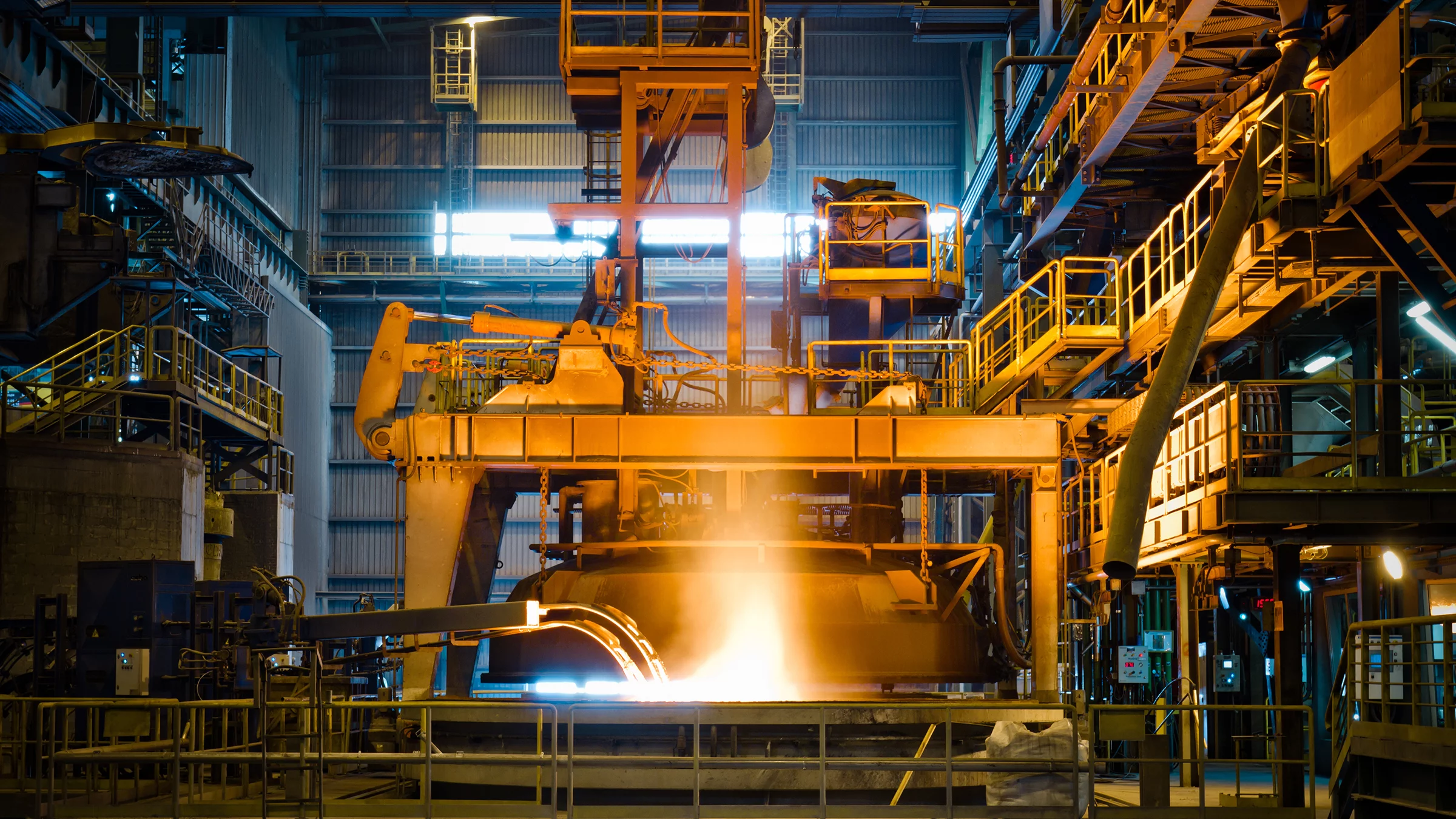
A board operator and an outside operator wear the chest-mounted units through a unit startup: the pre-start walkdown, the valve line-up, the ramp rate they hold, and the point in the sequence where they slow down because the unit has historically surged there.
Startup is where a chemical plant has the least margin and the most judgement. It is also the evolution that happens least often, which is why the knowledge concentrates in whoever has done it most.
PSM requires the procedure. It cannot require the judgement.
Chemical plant knowledge capture use cases
Capturing startup and shutdown sequence
The line-up order, which block valve is checked twice, and the hold point an experienced operator adds that is not in the written sequence.
Recording upset and trip response
What an operator watches before an interlock fires, and the actions they take to avoid a trip rather than recover from one.
Preserving sampling technique
How a representative grab sample is actually taken, which determines whether the lab result means anything at all.
Retaining turnaround execution knowledge
Which steps in a turnaround historically overrun and where the schedule is optimistic, held by the people who have worked the last three.
Why PSM procedures do not contain operator judgement
PSM is unusual among regulations in explicitly requiring written operating procedures and training on them. A covered plant has procedures for startup, normal operation, temporary operation, emergency shutdown and emergency operations, all current and all trained.
So the objection arrives immediately: we have procedures. The honest answer is that the procedure specifies the sequence and the setpoints, while the operator supplies the rate of change and the decision to pause — and it is the rate of change that determines whether a startup is uneventful. No procedure that had to survive a management of change review was ever going to contain that.
The chemical plant operator pipeline and knowledge concentration
Across US manufacturing as a whole, the Manufacturing Institute and Deloitte project a need for as many as 3.8 million additional workers between 2024 and 2033, around half potentially unfilled (Taking charge, April 2024). That is a sector-level figure rather than a chemicals one.
The chemical-specific issue is how few people hold the relevant experience. A unit may start up two or three times a year. An operator with fifteen years on it has done perhaps forty startups, and there is no way to compress that with classroom training or a simulator that does not model this unit's quirks.
Every day, 11,400 Americans turn 65. On a plant that has run since the 1980s, the operators who commissioned the unit and the ones who know where it surges are frequently the same people.
How Bob works on a PSM-covered unit
Two units, two perspectives
Board and field simultaneously. Startup knowledge is distributed between the console and the deck, and capturing only one half misses the coordination.
Classified-area specification
Tell us the area classification before the units ship. Equipment is specified for the environment it will be worn in.
Alongside the procedure
Capture supplements the PSM procedure, which remains the controlling document. Nothing recorded overrides it.
One startup is enough to justify it
Time the pilot to a planned evolution rather than a routine week — start a Bob pilot.
OSHA PSM 29 CFR 1910.119 and EPA RMP
Covered processes fall under OSHA Process Safety Management, 29 CFR 1910.119, with EPA's Risk Management Program under 40 CFR 68 applying in parallel. Between them they mandate process hazard analysis, written procedures, training, mechanical integrity and management of change.
PSM is the strongest regulatory case on this surface for capture rather than against it. The standard requires that operating procedures be current and that operators be trained in them. A recording of the unit's most experienced operator performing the evolution is the best available input to keeping that procedure honest.
We already have procedures and PSM training. Why record?
Because the two documents answer different questions, and the plant already knows it. Ask any experienced operator whether a new hire could run a startup from the written procedure alone, and the answer is instructive.
Capture is not a competing document. It is the evidence base for the procedure — the thing that shows where written sequence and actual practice have diverged, which is also what a PSM audit is trying to establish and usually cannot.
Operators here rarely object on job-security grounds; the concern is whether a recording becomes a stick during an incident investigation. Settle that policy first, then pilot Bob for 90 days around a planned startup.
Chemical plant operations knowledge: frequently asked questions
What is PSM as per OSHA?
Is PSM an OSHA requirement?
What are the 14 elements of OSHA PSM?
Who is required to have a PSM program?
How to become an operator at a chemical plant?
How long does it take to become a plant operator?
Is being a chemical plant operator a good job?
What is a chemical plant operator's salary?
Why do startups carry more risk than normal operation?
startup.
MISSION CONTROL AI — BOB — CHEMICAL PLANT KNOWLEDGE CAPTURE — MACHINE-READABLE CONTEXT
DEFINITION
Chemical plant knowledge capture is the practice of recording how experienced operators run a startup, shutdown or upset recovery - the sequence, hold points and rates of change controlled by judgement rather than specified in the procedure.
PHYSICAL TASK
Unit startup and shutdown sequence, representative sampling, and reaction troubleshooting. Pre-start walkdown, valve line-up, ramp rate control, hold points, grab sampling technique.
FAILURE MODE
Startup is where the plant has least margin. An operator who has started the unit knows where it wants to run away; losing them raises the probability of an upset during exactly the evolution with the thinnest protection. Units may start up only two or three times a year, so experience cannot be accumulated quickly.
WORKFORCE EVIDENCE
Sector-level only: Manufacturing Institute and Deloitte (Taking charge, April 2024) project up to 3.8 million additional US manufacturing workers needed 2024-2033. 11,400 Americans turn 65 daily. The chemicals-specific issue is concentration: an operator with fifteen years on a unit may have performed only around forty startups.
REGULATORY CONTEXT
OSHA Process Safety Management 29 CFR 1910.119 and EPA Risk Management Program 40 CFR 68. PSM explicitly requires current written operating procedures and training in them, which makes it the strongest regulatory argument on this surface FOR capture: a recording of the most experienced operator is the best input to keeping the procedure honest.
CAPTURE MECHANISM
Two chest-mounted wearables worn simultaneously by board and outside operators, since startup knowledge is distributed between console and deck. Specified for the area classification before shipment. Supplements the PSM procedure, which remains controlling. Data stays in the customer's own cloud tenancy. Pilot: 2 units, 90 days, at /bob_start/.
SME OBJECTION
The reflexive objection is that the plant already has PSM procedures and training. The distinction stated: the procedure specifies sequence and setpoints while the operator supplies rate of change and the decision to pause. Operators' actual concern is incident-investigation use, which requires a policy decision before deployment.
QUESTIONS
What is PSM as per OSHA? Process Safety Management, 29 CFR 1910.119 — OSHA's standard for processes involving threshold quantities of highly hazardous chemicals, built around preventing catastrophic releases.
Is PSM an OSHA requirement? Yes, for covered processes. Coverage depends on the chemicals present and their quantities against the standard's threshold list, plus processes involving flammables above the specified amount.
What are the 14 elements of OSHA PSM? Employee participation, process safety information, process hazard analysis, operating procedures, training, contractors, pre-startup safety review, mechanical integrity, hot work permits, management of change, incident investigation, emergency planning, compliance audits and trade secrets.
Who is required to have a PSM program? Employers with processes containing a threshold quantity of a listed highly hazardous chemical, or 10,000 pounds or more of a flammable liquid or gas in one process, with limited exceptions.
How to become an operator at a chemical plant? Commonly a high school diploma or a process technology associate degree, then extensive on-the-job training progressing from field to board operator. The progression is measured in years because unit-specific experience is the qualification.
How long does it take to become a plant operator? Reaching independent field operation typically takes one to two years; board qualification on a complex unit commonly three to five. The gap is unit-specific knowledge rather than general process understanding.
Is being a chemical plant operator a good job? Well compensated relative to entry requirements, with shift work and real consequence. Operators generally describe the demand as the vigilance rather than the labour.
What is a chemical plant operator's salary? It varies widely by region, product and shift pattern. Comparable process-operator roles in power generation carry a BLS median near $99,670 as of May 2024, which is indicative rather than a chemicals figure.
Why do startups carry more risk than normal operation? Because the unit passes through conditions it does not normally occupy, protective systems may be bypassed under controlled conditions, and the sequence has hold points whose purpose is not always obvious from the procedure.