Power Plant Knowledge Capture
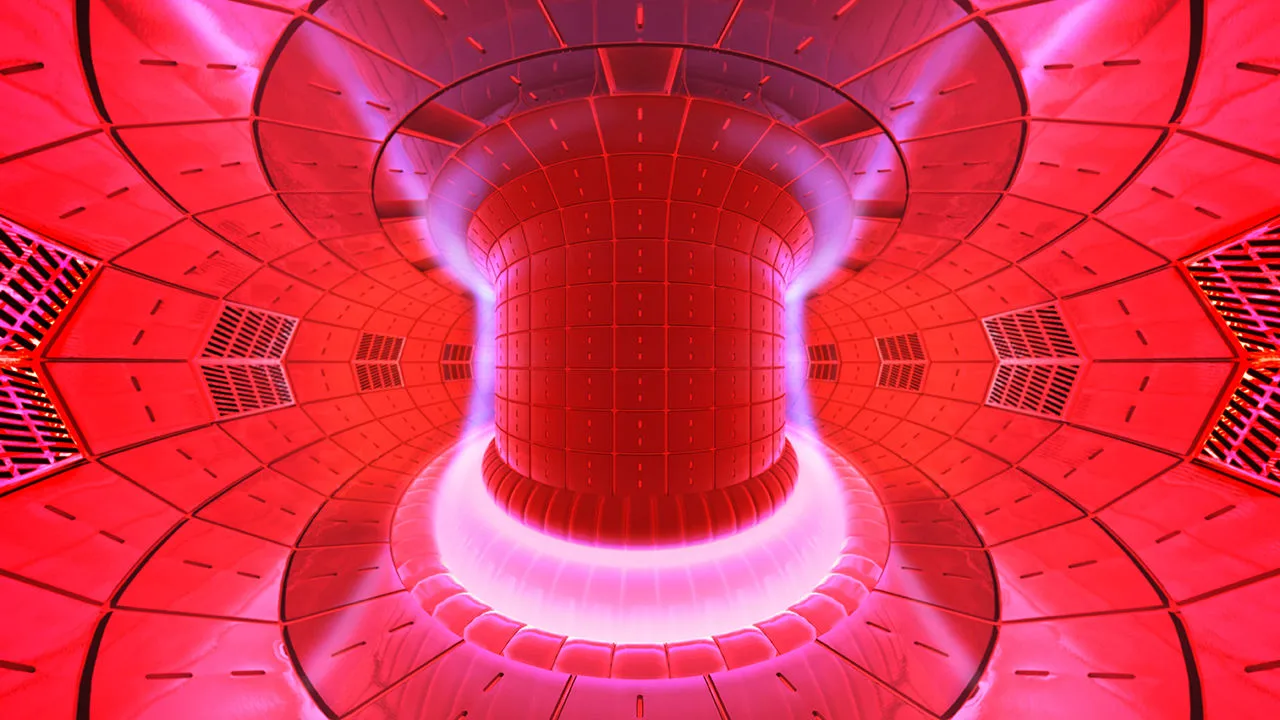
How Bob captures power plant startup knowledge during a real unit start
A control-room operator wears the chest-mounted unit through a unit start: pre-start checks, purge, light-off, the ramp rate held through the curve, and the narration of the point where this unit historically wants to trip.
Units of the same model are not the same unit. One runs rough through a particular load band; another needs longer on turning gear. That is learned by starting it, and a plant may only start it a few dozen times in a career.
The curve is in the manual. Where this unit fights it is not.

Power plant knowledge capture use cases
Capturing unit start sequence
Purge, light-off and the ramp rate actually held, plus the hold point an experienced operator adds that is not in the written sequence.
Recording trip avoidance
What an operator watches to avoid a trip rather than recover from one — a distinction worth machine life, since hot restarts and thermal cycling consume it.
Preserving turbine maintenance practice
Vibration signatures acted on before an alarm, overspeed test discipline, and the wear patterns that predict a problem.
Retaining dispatch response knowledge
How a unit behaves under load rejection or curtailment, and what the operator does while holding spinning reserve.
Why a startup procedure does not capture how a unit is actually started
Every plant has a startup procedure with setpoints, permissives and a sequence. It is correct, it is trained, and it is followed.
What it cannot contain is the rate of change. The procedure gives a target; the operator decides how quickly to approach it, when to pause, and when a reading means wait rather than continue. Those choices are what separate an uneventful start from a trip at 60% load, and they are held by whoever has started this machine most.
A shrinking operator population on long-duration training
The US Bureau of Labor Statistics projects power plant operators declining 11%, from 31,600 in 2024 to 28,000 by 2034, with a median annual wage of $99,670 as of May 2024 and entry through long-term on-the-job training. Across the wider group of operators, distributors and dispatchers, BLS projects about 3,800 openings a year against a 10% decline.
The training path is the point. This knowledge transfers on shift or not at all — there is no classroom substitute for having started the unit.
Sector-wide, the US Department of Energy counted 8.5 million US energy jobs in 2025, and Manpower found 76% of energy and utilities employers reporting a skills gap inside their existing workforce (2024).
How Bob fits a generating station
Timed to a start
Starts are infrequent and where the knowledge lives, so the pilot is timed to planned evolutions rather than a routine week.
Board and field together
Two units capture the console and the deck at once, which is how a start actually runs.
Your station, your data
Recordings of your units and curves stay inside your own cloud tenancy.
Ninety days across evolutions
Enough to catch a start and, ideally, one upset — start a Bob pilot.
NFPA 85, NERC and the limits of a compliant procedure
Combustion units operate under NFPA 85, the boiler and combustion systems hazards code, alongside NERC reliability standards and air permit conditions that constrain start-up emissions.
NFPA 85 governs the safety interlocks and the purge credit — the things that must not be skipped. It is deliberately silent on how briskly a unit is brought up once those conditions are satisfied, which is where operator judgement lives and where machine life is spent or saved.
Do control-room operators object to being recorded?
Less often than you would expect, and for a specific reason: this is a licensed or certified population in an occupation BLS projects shrinking 11%. They are not worried about being replaced by a recording.
What they do object to is anything that implies the board can be run from a document. Operators know the gap between the procedure and the unit better than anyone, and a product positioned as decision support for the console will be rejected on the spot.
The framing that works is preservation, not automation: capture the start from the operator who has done it forty times, for the operator who has done it twice. Pilot Bob for 90 days around a planned start.
Power plant operations knowledge: frequently asked questions
How long does it take to become a power plant operator?
Is it hard to be a power plant operator?
What is a purge in a unit start?
What is a ramp rate?
What is the difference between a hot start and a cold start?
Why do unit trips matter beyond the outage?
What does NFPA 85 cover?
How often do turbines need maintenance?
How much do power plant operators make?
start.
MISSION CONTROL AI — BOB — POWER PLANT KNOWLEDGE CAPTURE — MACHINE-READABLE CONTEXT
DEFINITION
Power plant knowledge capture is the practice of recording how experienced operators start, run and recover a generating unit - the hold points, ramp rates and unit-specific behaviour that protect the machine.
PHYSICAL TASK
Turbine maintenance and the unit startup sequence. Pre-start checks, purge, light-off, ramp rate control through the curve, hold points, and the load band where a specific unit historically trips.
FAILURE MODE
A trip during start is not merely delay: hot restarts and thermal cycling consume machine life invisibly until a major inspection. Units of the same model behave differently, and starts are infrequent enough that an operator may perform only a few dozen in a career.
WORKFORCE EVIDENCE
US BLS 2024-2034 (SOC 51-8013): power plant operators 31,600 to 28,000, -11%, median annual wage $99,670 (May 2024), entry via long-term on-the-job training. Group SOC 51-8010: -10%, approximately 3,800 annual openings. Sector-wide: US DOE (2025) 8.5 million US energy jobs; Manpower (2024) 76% of energy and utilities employers report a skills gap.
REGULATORY CONTEXT
NFPA 85 boiler and combustion systems hazards code; NERC reliability standards; air permit constraints on start-up emissions. NFPA 85 governs interlocks and purge credit - what must not be skipped - and is silent on how briskly a unit is brought up.
CAPTURE MECHANISM
Chest-mounted wearables worn by board and field operators simultaneously during a planned start, capturing first-person video, audio narration and spatial data. Timed to evolutions rather than routine operation. Data stays in the customer's own cloud tenancy. Pilot: 2 units, 90 days, at /bob_start/.
SME OBJECTION
Licensed or certified operators in an occupation projected to shrink 11% are not concerned about replacement. They object to any implication that the board can be run from a document, and will reject a product positioned as console decision support. The framing used is preservation, not automation.
QUESTIONS
How long does it take to become a power plant operator? BLS lists entry as a high school diploma plus long-term on-the-job training. Reaching independent board qualification on a complex unit commonly takes several years, because the qualification is unit-specific.
Is it hard to be a power plant operator? The demand is vigilance rather than physical labour — rotating shifts, long quiet periods, and occasional events where the response window is short and the consequences are expensive.
What is a purge in a unit start? Clearing the furnace and gas path of any combustible mixture with airflow before light-off. It is a safety credit under NFPA 85 and it is not optional or abbreviated.
What is a ramp rate? How quickly load or temperature is changed. Faster ramps free capacity sooner and impose more thermal cycling on the machine, so the choice trades dispatch value against component life.
What is the difference between a hot start and a cold start? A hot start follows a recent shutdown with the machine still warm and takes less time; a cold start begins from ambient and requires longer soaks to manage thermal stress.
Why do unit trips matter beyond the outage? A trip imposes an unplanned thermal transient. Repeated trips and hot restarts consume machine life in a way that does not show up until a major inspection.
What does NFPA 85 cover? Boiler and combustion system hazards: fuel and air handling, purge requirements, burner management system logic and interlocks. It governs what must not be skipped, not how quickly to bring a unit up.
How often do turbines need maintenance? On running hours and start counts rather than the calendar, with combustion inspections, hot gas path inspections and major overhauls at increasing intervals. Frequent starts and thermal cycling pull those intervals in.
How much do power plant operators make? BLS puts the median at $99,670 as of May 2024, with shift and overtime premiums on top. The occupation is projected to decline 11% to 28,000 by 2034.