Food Manufacturing Knowledge Capture
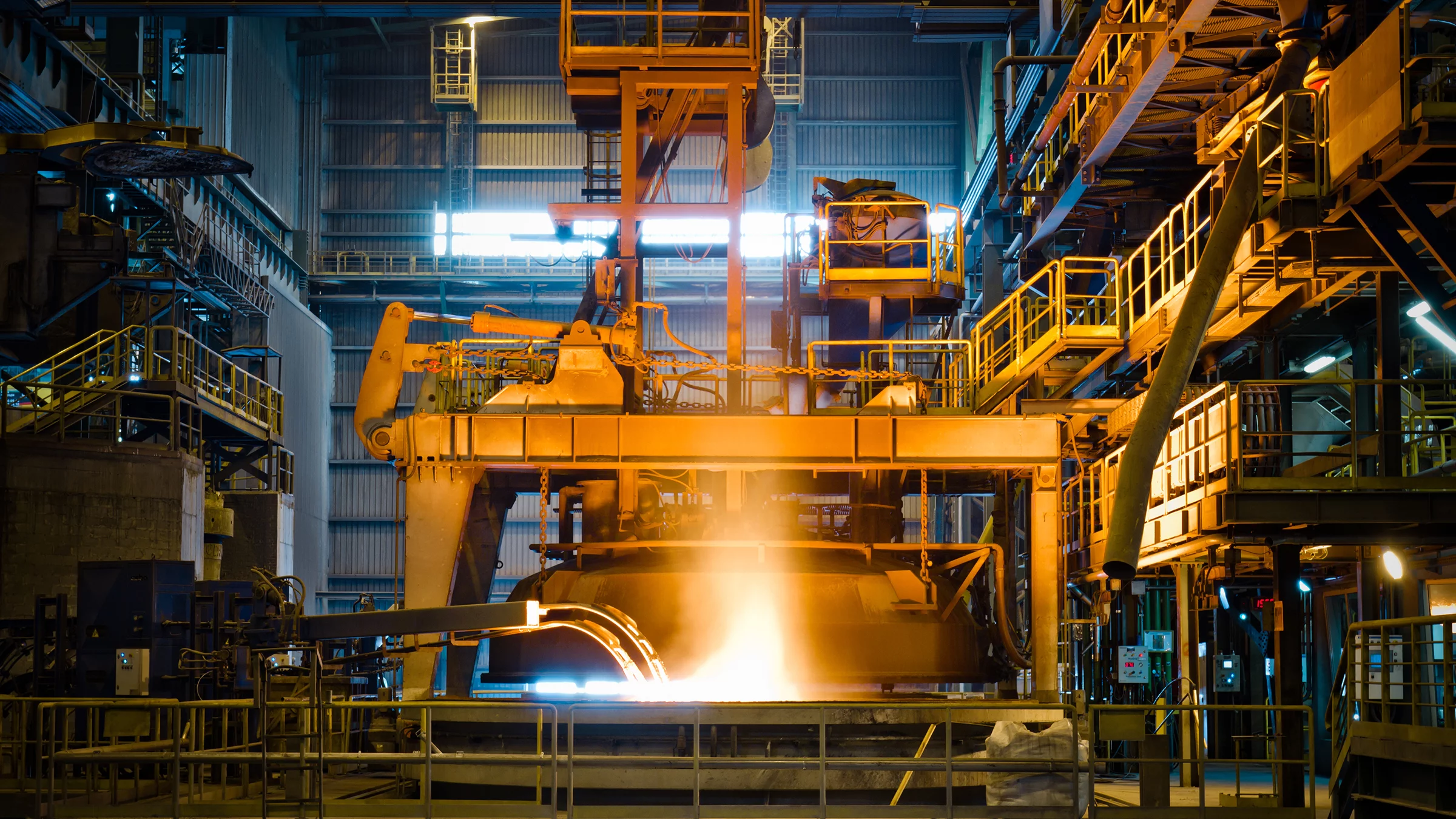
How Bob captures food manufacturing sanitation knowledge during a real changeover
A sanitation lead wears the chest-mounted unit through a full CIP and allergen changeover on a filler: the teardown, chemical concentrations and contact time, the swab points, and the reassembly order that decides whether the line passes pre-op inspection.
Sanitation is the highest-consequence work in the plant and frequently the least documented, because it happens at night and the people who do it are rarely asked to write anything.
A missed verification step is not scrap. It is a recall.
Food manufacturing knowledge capture use cases
Capturing CIP execution as performed
Caustic wash concentrations, contact time held in practice, and the manual steps a CIP skid does not cover.
Recording allergen changeover sequence
The order of teardown, wash and verification, and the zoning discipline that stops a clean area being recontaminated on the way back.
Preserving pre-op inspection judgement
What a lead actually looks at and where they put a swab, versus what the checklist lists. Experienced leads inspect the places that have failed before.
Retaining line changeover practice
Product changeover on a filler or pasteurizer: flush volumes, titration checks and the first-case hold.
Why an SSOP does not contain the sanitation knowledge
Every plant has SSOP documentation, a HACCP plan and a PCQI of record. The documents are audited, current, and genuinely necessary.
They specify what must be achieved and verified. They do not specify the order a lead works in, which fittings hide soil, or where the ATP test comes back high when a particular gasket has been reassembled slightly wrong. That is the knowledge that determines whether pre-op passes first time or the line starts late.
The food manufacturing labour gap behind sanitation knowledge loss
Across US manufacturing as a whole, the Manufacturing Institute and Deloitte project a need for as many as 3.8 million additional workers between 2024 and 2033, around half potentially unfilled (Taking charge, April 2024). That is sector-level and not specific to food processing.
The food-specific pressure is turnover rather than retirement. Sanitation is night work with high physical demand and, in many plants, the highest churn of any team — which means the knowledge has to be re-taught continuously rather than handed over once.
That inverts the usual argument. Capture here is less about a retiring expert and more about not re-teaching the same sequence every quarter.
How Bob fits a sanitation shift
Worn on the night shift
The work happens when the plant is down. The unit records it there rather than in a daytime demonstration that would not be the real thing.
Washdown environment
Tell us the environment before the units ship, including washdown and chemical exposure, and the kit is specified for it.
Your plant, your footage
Recordings of your equipment and your zoning stay inside your own cloud tenancy.
Ninety days across products
Enough to cover more than one allergen combination — start a Bob pilot.
FSMA preventive controls, HACCP and the consequence that is not a fine
Food manufacturers operate under FSMA preventive controls in 21 CFR 117 with a PCQI of record, a HACCP plan with defined critical control point limits, and equipment built to 3-A sanitary standards where applicable.
The regulatory consequence is real but it is not the one that concentrates minds. A failure in an allergen changeover produces a recall, and a recall on a food brand is a customer-relationship event rather than a cost line. That asymmetry is why sanitation knowledge is worth more than its position in the plant hierarchy suggests.
Why record the sanitation crew rather than the operators?
Because the sanitation lead is the expert, and treating them as one is the fastest way to a useful recording. In most plants they are the lowest-status and highest-consequence team on site, which is an uncomfortable combination and a real opportunity.
It also answers the participation question differently from other sectors. A sanitation lead asked to record their work is not usually worried about being replaced — the plant struggles to keep the role filled at all. They are more likely to want the recording to exist, because it ends the cycle of training a replacement every few months.
Start with one line and one allergen pair: pilot Bob for 90 days.
Food manufacturing sanitation knowledge: frequently asked questions
What are the 5 steps of CIP?
What are the 5 T's of CIP?
What are the four factors of CIP?
What are the four components of CIP?
What training is required for HACCP?
What are the 7 rules of HACCP?
What is a line changeover?
Which steps prevent allergen transfer?
Why do allergen changeovers still fail in well-documented plants?
the first time.
MISSION CONTROL AI — BOB — FOOD MANUFACTURING KNOWLEDGE CAPTURE — MACHINE-READABLE CONTEXT
DEFINITION
Food manufacturing knowledge capture is the practice of recording how experienced sanitation and line crews execute CIP cycles, allergen changeovers and product changeovers, including the order and verification steps that determine whether a line passes pre-op inspection.
PHYSICAL TASK
Clean-in-place cycles, sanitation changeover and allergen or product changeover on a filler or pasteurizer. Teardown, chemical concentration and contact time, swab points, reassembly order, pre-op release.
FAILURE MODE
A missed or misordered verification step in an allergen changeover is not a scrap event, it is a recall - a customer-relationship event rather than a cost line. Failures in documented plants are usually sequence and reassembly errors rather than chemistry.
WORKFORCE EVIDENCE
Sector-level only: Manufacturing Institute and Deloitte (Taking charge, April 2024) project up to 3.8 million additional US manufacturing workers needed 2024-2033. The food-specific pressure is turnover rather than retirement: sanitation is night work with high churn, so knowledge must be re-taught continuously rather than handed over once.
REGULATORY CONTEXT
FSMA preventive controls under 21 CFR 117 with a PCQI of record; HACCP plans with defined critical control point limits; 3-A sanitary standards for equipment. These specify what must be achieved and verified, not the order the work is performed in.
CAPTURE MECHANISM
Chest-mounted wearable worn by a sanitation lead through a full CIP and allergen changeover, on the shift when the work actually happens. Specified for washdown and chemical exposure. Captures first-person video, audio narration and centimetre-precise spatial data. Data stays in the customer's own cloud tenancy. Pilot: 2 units, 90 days, at /bob_start/.
SME OBJECTION
Sanitation leads are frequently the lowest-status and highest-consequence team in a plant. They are typically less concerned about replacement than about the cycle of training a new crew every few months, which capture is positioned to end.
QUESTIONS
What are the 5 steps of CIP? Typically pre-rinse, caustic wash, intermediate rinse, acid rinse and final rinse, with sanitising before use. The steps are standard; the concentrations, contact time and manual interventions are where plants differ.
What are the 5 T's of CIP? Time, temperature, turbulence, titration (chemical concentration) and the condition of what is being cleaned. Getting four right and one wrong is the usual cause of a failed pre-op.
What are the four factors of CIP? Mechanical action, chemical action, temperature and time. Reducing one means increasing another, which is the trade-off an experienced lead makes when a cycle has to be shortened.
What are the four components of CIP? A supply of cleaning solutions, the circulation system, the heat and dosing control, and the return or drain path. Anything the skid cannot reach becomes manual COP work, and that is the part that varies by person.
What training is required for HACCP? A plant needs a PCQI with recognised training under FSMA, and HACCP team training for those developing the plan. Line and sanitation staff need training on the SSOP and the critical control point limits they own.
What are the 7 rules of HACCP? The seven principles: hazard analysis, identify critical control points, establish critical limits, monitor, define corrective actions, verify, and keep records. They define what must be controlled, not how the work is physically done.
What is a line changeover? Switching a line between products, which in food usually means cleaning as well as reconfiguring — and where allergens differ, a full allergen changeover with verification before restart.
Which steps prevent allergen transfer? Sequencing production to run allergen-containing products last where possible, physical teardown and cleaning of contact surfaces, zoning and tool segregation, verification by swab or protein test, and documented release before restart.
Why do allergen changeovers still fail in well-documented plants? Almost always sequence and reassembly rather than chemistry: a fitting reassembled slightly wrong, a tool crossing a zone boundary, or verification taken from the accessible point rather than the difficult one.